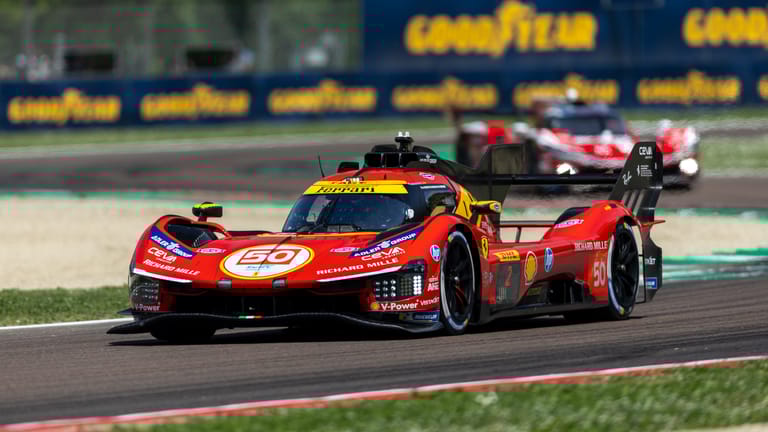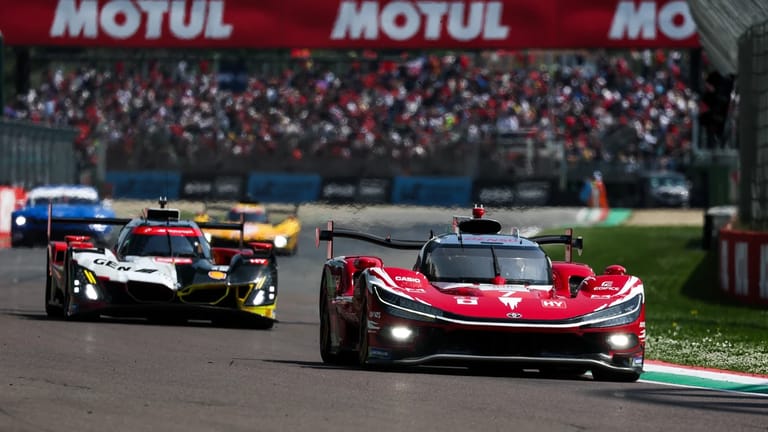
The FIA and ACO will not publish Balance of Performance tables in the World Endurance Championship in 2026. The change was announced at a media briefing in Imola on Thursday, two days before the season opener.
Teams will still be given their own figures. Everyone else will not. BoP tables have been published before each round since the Hypercar class began in 2021.
Why the FIA and ACO have stopped publishing BoP figures
Bruno Famin, the ACO's new deputy director of competition, and Marek Nawarecki, the FIA's circuit sport director, explained the decision together. Famin was blunt when asked why the charts were being withheld.
– Because it's super confusing. We don't want to control the narrative. We want to avoid any misunderstanding. People who think that everything is fake and we are cheating everything, they will never change.
The technical point behind the decision is specific. Each car's homologation parameters, including drag, downforce, centre of gravity and drivetrain type, have never been public. Without them, the weight and power figures on a BoP table cannot be read properly.
Famin said the homologation data will not be released, so the BoP numbers on their own create more confusion than they clear up.
Nawarecki made the same argument in different words. If one car is listed as 20kg heavier than another, the public has no way to judge whether that is a lot, a little, or the correct answer.
How BoP still works behind the scenes in 2026
The system itself has not changed. Every Hypercar was re-homologated at the Windshear wind tunnel over the winter. The rolling BoP, which adjusts weight and power through the season based on race data, continues as before.
Nawarecki said the aerodynamic changes between 2025 and 2026 are modest. Last year's race data still feeds into this year's starting point, with an allowance made for the new Michelin tyre.
Genesis is the exception. With no previous WEC data to work from, the new GMR-001 arrives at Imola with a BoP set to match the best car in the field.
BoP will be set per event, not across the season. Famin said eight races on very different circuits make a fixed baseline impractical. Over twenty races it might be possible. Over eight, it is not.
How BoP not being public affects Le Mans
The secrecy extends to Le Mans, and Famin was clear about why.
– It's too early to comment. As there are only two races before Le Mans, we prefer the manufacturers not to know how it will work, to limit the way they will play. We want to limit the risks of sandbagging in Imola and Spa.
Holding pace back early in the season to bank a favourable BoP for Le Mans has been a recurring concern in the Hypercar era. Keeping the Le Mans numbers unknown is intended to remove the incentive.
No BoP changes will be made during a race weekend. Pre-event adjustments remain possible if a dedicated test takes place, Le Mans being the most likely candidate, but nothing has been set.
The Success Handicap was dropped, and IMSA has taken a different approach
A Success Handicap for Hypercar appeared in the draft 2026 regulations and was dropped before they were finalised.
Nawarecki said the combination of BoP and an eight-race calendar made another variable unnecessary, and would risk teams managing their pace to stay in the championship fight. The system worked in WTCC across sixteen rounds. Here, he said, it does not fit.
IMSA, which runs the same cars in GTP, has gone a different way. It still publishes BoP tables, but a new clause in its 2026 Sporting Regulations prohibits manufacturers, teams and drivers from making public comments on the BoP process or its outcomes, with penalties at IMSA's discretion.