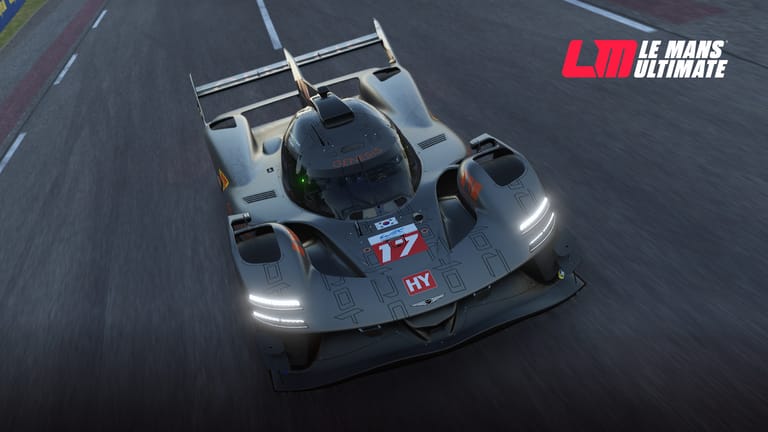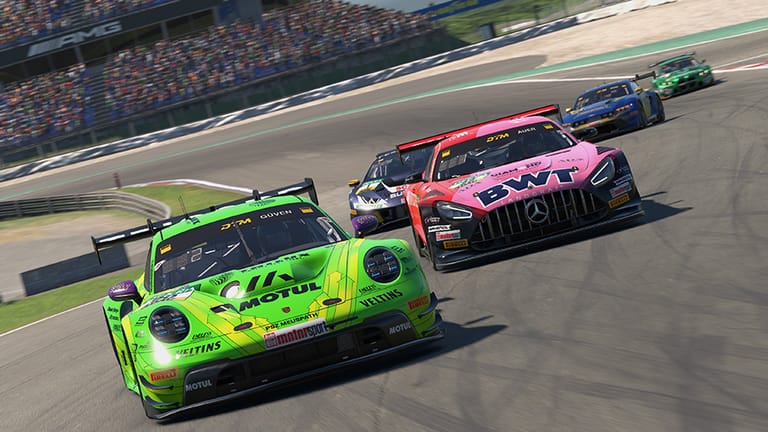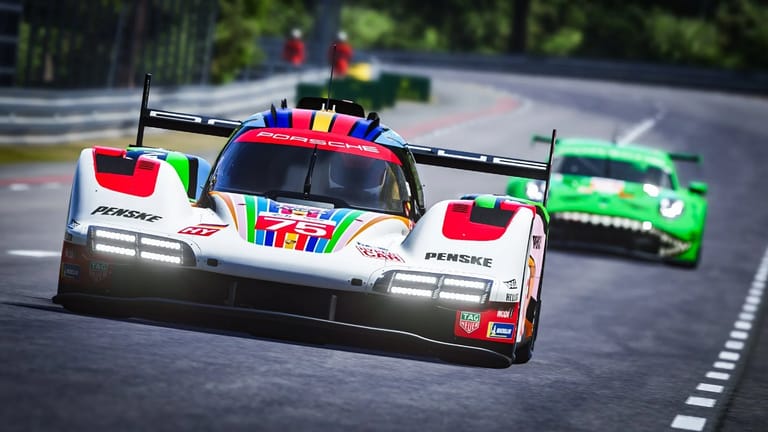
This Friday, 62 cars will line up on a virtual Circuit de la Sarthe for a 12-hour endurance race. Hypercars, LMP2s, and LMGT3s sharing the same 13.6 kilometres. Full driver swaps. A compressed day-night cycle that fits 24 hours of track conditions into 12 hours of real time.
Among the teams on the grid: a mix of dedicated sim racers and real-world professionals, some of whom race these same car classes on the real WEC calendar.
It was supposed to be a 24-hour race.
Over 5,000 teams and real drivers on the grid
Virtual endurance racing has quietly become a serious operation. The numbers coming out of Le Mans Ultimate, the official game of the FIA World Endurance Championship, are hard to ignore.
In January, a 4 Hours of Spa event attracted over 5,100 teams across 12 time slots. Last November, the first-ever online 24-hour race at La Sarthe pulled in more than 6,000 players and 1,100 teams.
These are not exhibition events. They run with structured grids, live stewarding, anti-cheat systems, and mandatory driver swaps that force teams to coordinate across time zones, just like the real thing.
The Le Mans Virtual Series, the esports competition that previously paired F1 drivers like Verstappen, Drugovich, and Rosenqvist with professional sim racers, is confirmed to return on this platform. When Team Redline won that series in 2023, their lineup included a Formula 2 champion and a real-world IndyCar driver alongside two of the best sim racers in the world.
The appetite is clearly there. The infrastructure, however, is still catching up.
Why Friday is 12 hours, not 24
A 62-car Le Mans grid with full driver swaps means each entry needs two or three real people rotating through the same online session. At capacity, that is over 130 simultaneous connections to a single server. Run several of those races concurrently across different time slots, and the demands multiply fast.
November's 24-hour test proved the concept could work. It also proved it could break.
Two servers lost their HTTP port bindings during the race, which meant any driver who disconnected from those sessions could not rejoin. In a four-hour race, that is frustrating. In a 24-hour race, it can erase a team's entire effort overnight.
Studio 397, the developer, spent the months since increasing server bandwidth by a factor of ten and building tools to reconfigure race splits on the fly if something fails.
But during preparation for this weekend, they found new anomalies in the network traffic at high server loads. Rather than push ahead and risk a repeat, they cut the event to a single 12-hour race.
If Friday goes well, a second 12-hour race follows on Saturday. If it doesn't, they go back to the data and try again.
There is something fitting about this. Endurance racing, real or virtual, is ultimately a reliability test. The question is always the same: can your system survive at scale, under load, for a prolonged period?
At La Sarthe, that applies to cars, tyres, and drivers. Here, it applies to servers, netcode, and infrastructure. The engineering problem is different. The challenge is not.
Team Redline and the professionals racing virtual Le Mans
Team Redline, Max Verstappen's sim racing outfit, has been a regular presence in LMU's endurance events. The team is over 25 years old and fields a roster that mixes dedicated sim racers with real-world professionals.
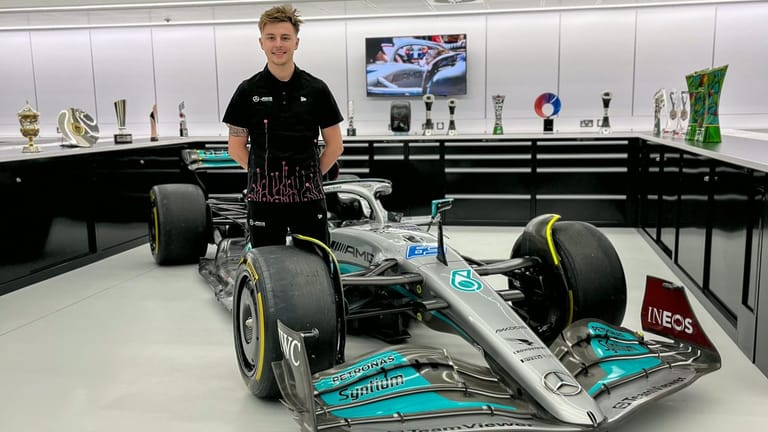
Their most high-profile recent signing is James Baldwin, who joined in January. Baldwin races GT3 cars in the GT World Challenge Europe, works as a simulator driver for the Mercedes-AMG Petronas F1 Team, and won the World's Fastest Gamer competition. He is exactly the kind of driver who treats these virtual endurance events with the same preparation he would bring to a real-world entry.
He is not alone in that. When Verstappen famously raced the virtual Nürburgring 24 Hours on the same weekend as the Imola Grand Prix, winning both, it was not a stunt. It was a four-time world champion treating sim racing as what it is: competition.
That professional presence raises the stakes for the platform. When a server fails during a race that Baldwin or a Redline driver is competing in, it is not just a technical hiccup. It is a credibility problem.
Friday at La Sarthe
So at 10:00 UTC on Friday 27 February, it is lights out for 12 hours at a virtual La Sarthe. Sixty-two cars. Driver swaps. A grid that includes people who do this for a living, both virtually and on real tarmac.
If the servers hold, Studio 397 has confirmed a second 12-hour race in the same format on Saturday. If they don't, it is back to the data. Either way, the goal remains the same: a stable, full-scale 24 Hours of Le Mans, online, with the kind of grid that makes you check twice whether you are reading about the real race or the virtual one.
The 2026 WEC season opens in Qatar next month. The real 24 Hours of Le Mans follows in June. Everywhere you look, the talk is of a new golden age of endurance racing.
But is the virtual side riding that wave, or helping to create it?