The FIA has reduced the maximum permitted energy recharge in qualifying from 9 megajoules to 8 megajoules for this weekend's Japanese Grand Prix, with unanimous backing from all five power unit manufacturers. The change follows two rounds of mounting driver frustration over the way the 2026 regulations affect their fastest laps.
Under the new rules, cars rely heavily on electrical power and must actively harvest energy to deploy elsewhere on the lap. The more energy required, the more time drivers spend lifting off the throttle or super-clipping, where the power unit recovers charge at full throttle but visibly bleeds speed.
Reducing the limit means less of that is required.
Sources suggest the drop could cut up to four seconds per lap of super-clipping in qualifying. That is the hope, at least.
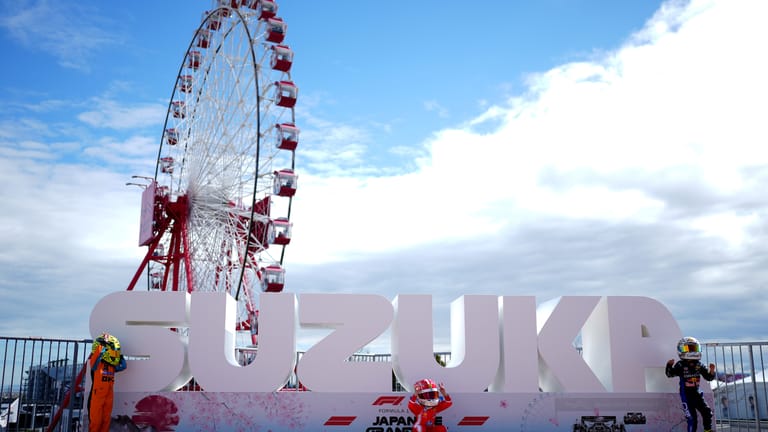
The problem is particularly pointed at Suzuka. The circuit has almost no heavy braking zones where batteries recharge naturally, making it one of the most energy-starved tracks on the calendar.
Simulator work ahead of the weekend showed drivers having to manage through the Esses, the Degners and 130R. Lewis Hamilton described what that felt like.
– When we were on the simulator, you were having to do a tonne of lift and coast, which is really, really not enjoyable to do, particularly for a qualifying lap.
Driver reaction to the change was mixed. Most welcomed it as a step in the right direction, while others argued it does not go far enough.
The FIA confirmed further discussions are scheduled during the five-week break after Japan, where longer-term solutions will be explored ahead of Miami.
What else is at stake this weekend at Suzuka
The championship is straightforward heading in. George Russell leads Kimi Antonelli by four points, with both Mercedes drivers having won a race in the opening two rounds. Ferrari's Lewis Hamilton and Charles Leclerc sit third and fourth, split by a single point.
Friday practice confirmed the order. Mercedes led FP1, McLaren topped FP2, both teams separated by fractions with Ferrari closely behind. Red Bull finished the day in the midfield, Verstappen tenth in the afternoon session.
His record here still demands attention. Four consecutive wins at Suzuka, seven podiums in eight attempts. The RB22 is not giving him the tools right now, nearly eight tenths off Mercedes in FP1 and further adrift in FP2. Whether his feel for this circuit can produce something the car's pace does not suggest is the most watchable individual thread of the weekend.
McLaren arrive needing a clean weekend above anything else. Neither Norris nor Piastri started the Chinese Grand Prix after separate electrical failures, leaving the reigning constructors' champions already 80 points behind Mercedes after two rounds.
A further blow came before FP1, when it emerged that the battery which failed on Norris's car in China cannot be repaired. Drivers are allowed three batteries across the season, and Norris has already used one.
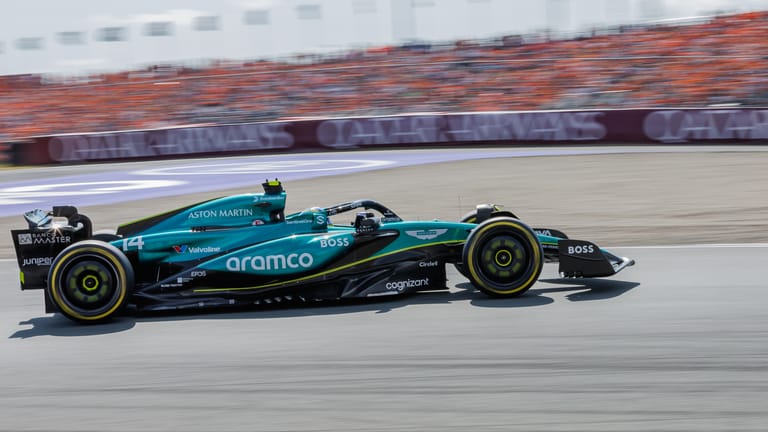
Suzuka is also Honda's home race, and it arrives at a difficult moment for the manufacturer. Aston Martin have not been classified in either grand prix this season, the car's vibration problem ending both drivers' races before the finish.
Honda confirmed a further countermeasure for this weekend without specifying what it is. Trackside leader Shintaro Orihara said the team is now confident of finishing the race. That is the target. We have covered Aston Martin's Honda troubles in depth if you want the full picture.
Qualifying on Saturday will be the first real test of whether the rule change makes any visible difference. If drivers are still lifting through the Esses, one megajoule will not feel like enough.